
Migrate WordPress host without the migration meltdown
Changing hosts should not mean manual SQL dumps and crossed fingers. SiteSkite restores your site from backup to the destination server — files, database, and configuration in a guided migration workflow.
7-day trial · No credit card required
What goes wrong when WordPress host migrations are improvised
Familiar tools. Unfamiliar failure modes — especially under deadline pressure.
Manual host moves are fragile
FTP uploads, phpMyAdmin imports, and migration plugins each break differently on large sites, WooCommerce stores, and multisite-adjacent setups.
- Broken serialized data silently corrupts widgets, options, and page builders after import.
- Media URLs still point at the old host — broken images until manual search-replace.
- PHP version mismatches cause white screens the moment traffic hits the new server.
- No rehearsal means production becomes the first test environment.
- Failed cutover without backup doubles outage length.
Hope is not a migration strategy. Verified backups and Sandbox rehearsal are.
Backup-based host migration with a cutover playbook
SiteSkite restores your complete WordPress package to the destination — then lets you validate before DNS changes.
- Full backup before any move — files, database, plugins, uploads.
- Guided restore to destination WordPress with the connector.
- Sandbox validation of permalinks, forms, SSL, and commerce flows.
- Source host stays live until you switch DNS.
- BirdEye monitoring confirms health post-cutover.
Backup → restore → validate → cutover. Repeatable for every client and every host change.
Host migration risks
The move is high-stakes — downtime and data loss are on the table.
Hours or days offline
Manual migrations drag while DNS and revenue wait.
Corrupt or incomplete transfers
Missing files or broken serialization breaks the new install silently.
No undo button
Without backup discipline, a failed migration is catastrophic.
Manual migration vs SiteSkite
How operators reduce downtime and surprise failures.
| Approach | Manual / legacy | SiteSkite |
|---|---|---|
| Transfer method | FTP + SQL export | Connector backup restore |
| Pre-flight test | Rarely done | Sandbox rehearsal standard |
| Downtime window | Hours to days | Minutes at DNS switch |
| Rollback | Panic rebuild | Source live until cutover |
| Large sites | Timeout failures | Incremental backup path |
Host migration workflow
Backup → destination setup → restore → verify → DNS.
Backup source site
Full restore point before any move.
Install on new host
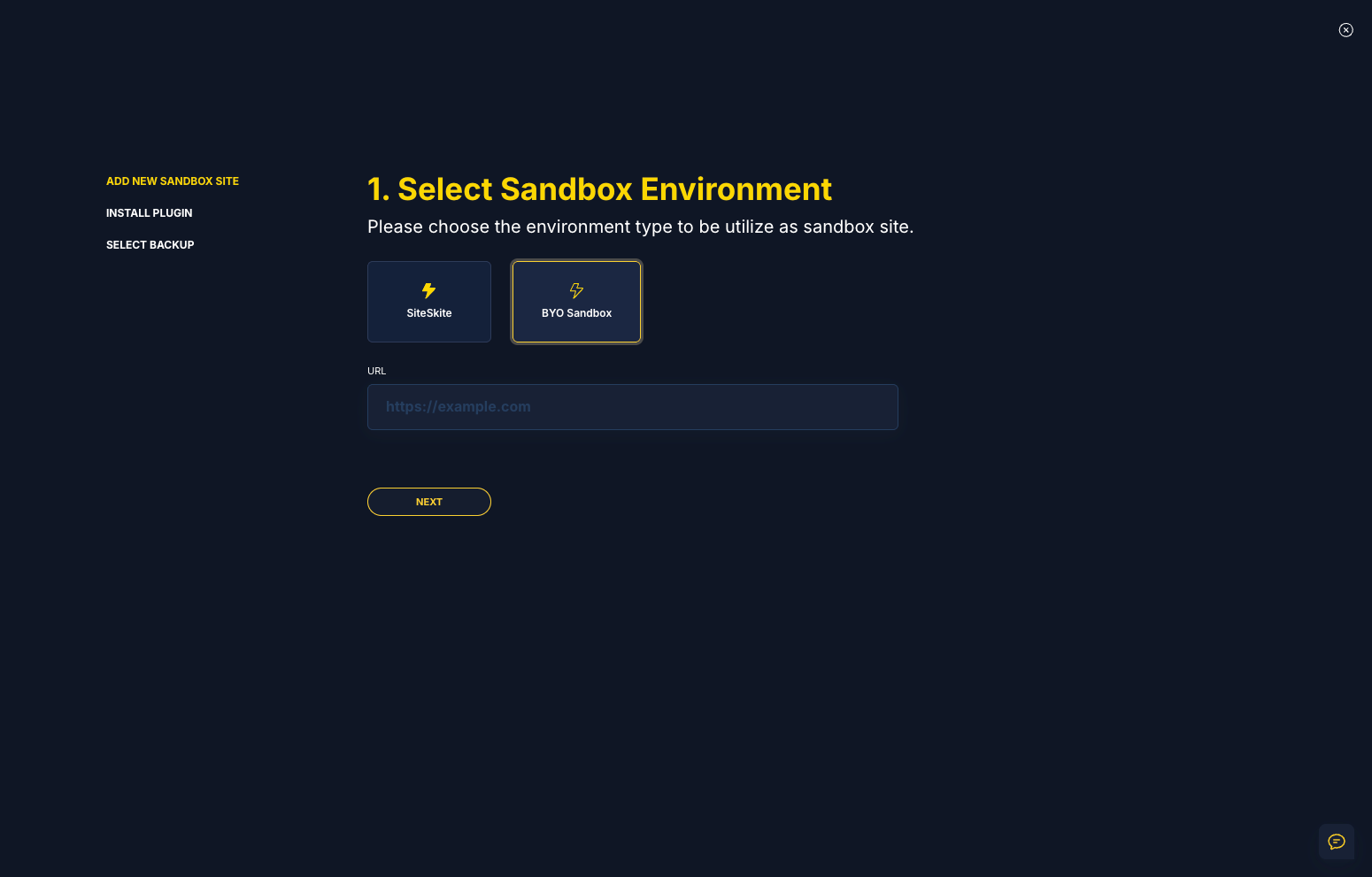
Fresh WordPress + SiteSkite connector on destination.
Migrate from backup
Restore files and database to new server.
Verify in Sandbox
Test before updating DNS.
Why backup-first host migration wins
Live sync tools promise magic. Verified restore points deliver predictability.
Verified restore points
Test backups in Sandbox before migration day — not after DNS breaks.
Guided workflow
Portal-driven restore reduces FTP and phpMyAdmin steps for most hosts.
Post-cutover monitoring
BirdEye confirms the new host serves traffic and SSL stays valid.
Portfolio scale
Agencies run the same playbook across every client host change.
Migration features
Backup-based moves — not improvised exports.
Outcomes after switching hosts
Teams report shorter cutovers and fewer emergency rollbacks.
- Business sites complete host changes in hours — not multi-day outages.
- Agencies standardize client migrations with the same restore workflow.
- WooCommerce operators validate checkout before DNS moves.
- Developers catch PHP incompatibilities in Sandbox — not on live traffic.
A business migrated hosts manually — 24 hours downtime and broken media URLs.
SiteSkite backup migration completed with Sandbox validation in under 4 hours total downtime.
“We should have migrated from backup the first time.”
Restore to your new hosting provider
SiteSkite migrate-to-host restores your backup package to a fresh WordPress install on the destination server.
No manual table imports. No guessing which files missed the FTP upload.
Planning a host change?
Start with a backup you can restore and validate — then migrate with confidence.
Start your free trialFrequently asked questions
Ready to run WordPress like an operation?
Connect your first site in minutes. Sandbox, backups, monitoring, and recovery included on paid plans.